
In Pakistan, tourism is often discussed in the context of leisure, scenic beauty, and seasonal travel. While these elements are important, limiting tourism to entertainment undervalues its true economic potential. For a country seeking sustainable economic growth, infrastructure expansion, real estate development, and youth employment, tourism must be recognized as a strategic pillar of the economy.
Tourism is not simply about visitors. It is about structured development, capital circulation, regional uplift, and long-term investment confidence. When approached strategically, tourism becomes an engine of economic stability rather than a temporary activity.
Tourism as a Driver of Economic Development
Economic growth often begins with a visit. When a destination attracts visitors, it generates immediate activity across hospitality, transport, retail, and local services. This early engagement strengthens commercial momentum and raises the region’s economic profile.
As a place becomes appealing to visitors, it evolves into a location where people want to live. Improved infrastructure, public utilities, and expanding business activity enhance livability. A strong living environment naturally supports employment and professional opportunity.
Also Read: How Infrastructure Development Shapes Long-Term Property Value
When people choose to live and work in a region, investment follows. Businesses expand operations, entrepreneurs identify opportunities, and capital circulates more confidently within the local economy. Investment further strengthens infrastructure, competitiveness, and long-term stability.
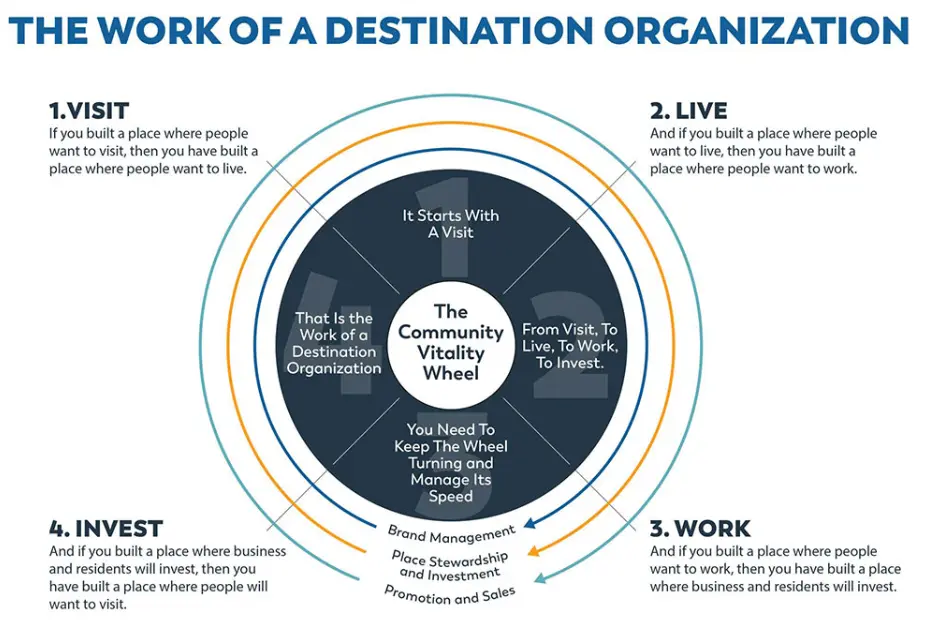
This continuous cycle of visit, live, work, and invest represents a structured model of community vitality. When tourism is integrated into national development planning rather than treated solely as promotion, it becomes a strategic economic instrument that drives regional resilience, attracts investment, and supports sustainable national growth.
This economic cycle becomes especially visible in sectors directly linked to infrastructure and land development.
The Link Between Tourism and Real Estate Development
Tourism and real estate are structurally interconnected. A destination that consistently attracts visitors naturally creates demand for residential communities, mixed-use developments, hospitality infrastructure, and commercial zones. However, sustainable value does not come from expansion alone; it comes from disciplined master planning.
Strategically designated tourism corridors often drive land appreciation and long-term capital inflow. When supported by proper zoning regulations, environmental safeguards, and infrastructure alignment, tourism-led real estate development strengthens regional economic foundations rather than creating speculative pressure.
Without regulatory clarity and governance discipline, rapid tourism expansion can result in unplanned construction, infrastructure strain, and uneven urban growth. Structured oversight ensures that real estate development supports long-term economic stability, protects environmental assets, and enhances investor confidence.
When tourism development aligns with urban planning frameworks and national economic objectives, real estate becomes a catalyst for sustainable regional growth rather than short-term market activity.
Governance, Policy Clarity, and Institutional Coordination
For tourism to function as an economic strategy, policy frameworks must be consistent and transparent. Zoning regulations, environmental standards, licensing systems, and tax clarity influence investor confidence.
Institutional coordination is essential. Tourism intersects with local development authorities, transport agencies, environmental regulators, and investment boards. Without structured collaboration, growth becomes fragmented.
Strategic governance ensures that tourism development aligns with broader economic objectives such as infrastructure modernization, regional equity, and employment generation.
Public–Private Collaboration and Youth Empowerment
Tourism-led development requires partnership between public institutions and private investors. Governments provide infrastructure and regulatory clarity, while private developers contribute innovation, capital, and operational expertise.
For youth, tourism presents significant entrepreneurial opportunities. Hospitality services, travel technology platforms, event management, cultural enterprises, and real estate support services create entry points into the economy.
However, capability development must accompany opportunity. Training, vocational education, and regulatory awareness strengthen the quality and sustainability of tourism enterprises.
Sustainability and Long-Term National Planning
Entertainment-driven tourism often prioritizes short-term volume. Strategic tourism prioritizes sustainability. Environmental preservation, community inclusion, responsible land use, and infrastructure resilience are essential components of long-term planning.
Pakistan’s natural and cultural assets are national economic resources. Protecting them ensures that tourism remains viable across generations.
Economic stability depends on disciplined expansion rather than uncontrolled growth.
Conclusion
Tourism should not be viewed merely as recreation or seasonal entertainment. It is a strategic economic instrument capable of driving real estate development, strengthening infrastructure, empowering youth entrepreneurship, and attracting long-term investment.
When integrated into national economic planning, supported by transparent governance, and guided by sustainable principles, tourism strengthens economic diversification and reduces overreliance on limited sectors. It enhances Pakistan’s global competitiveness by improving infrastructure standards, service quality, and investment confidence.
For emerging economies, treating tourism as an economic strategy is not optional. It is essential for structured growth, macroeconomic stability, and long-term national prosperity.