
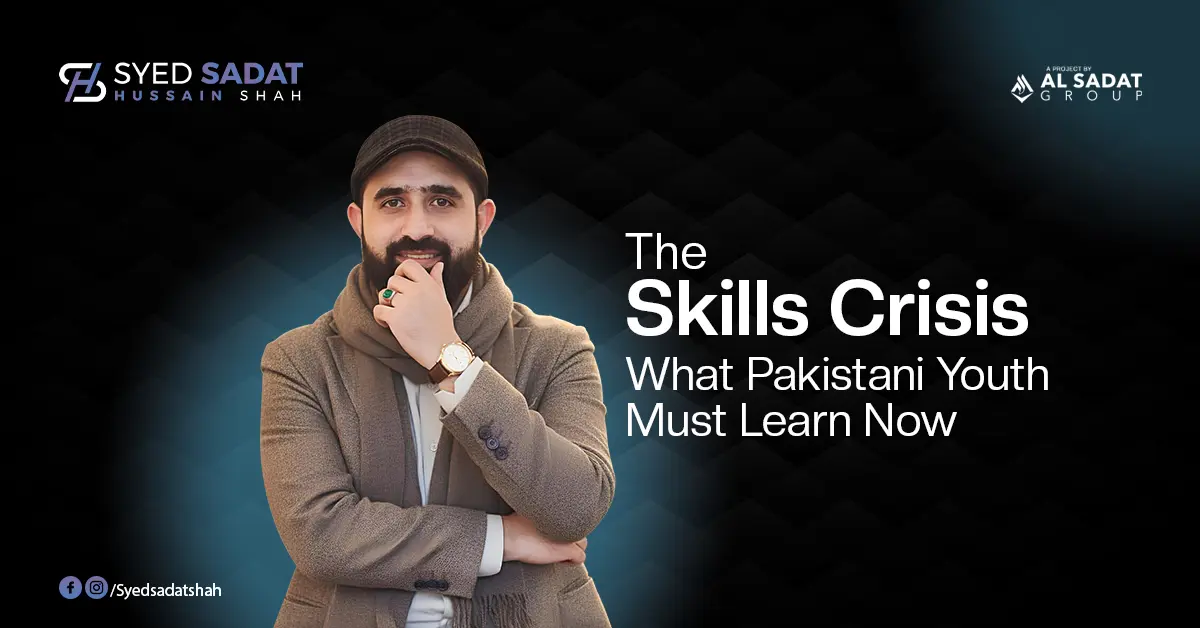
Pakistan is facing a growing challenge that goes beyond unemployment. It is a skills crisis Pakistan youth are struggling with, where education does not always translate into employability. Each year, thousands of young people enter the job market, but many lack the practical skills required by employers.
This gap between education and industry demand is creating a serious skills gap Pakistan youth must address if they want to stay competitive in today’s evolving economy.
Why is there a skills crisis in Pakistan?
The root of the problem lies in a mismatch between what is taught and what is required in real jobs. While academic degrees continue to grow, industries are shifting toward practical, performance-based hiring. Many graduates lack exposure to real-world work environments, which limits their ability to adapt quickly.
As a result, companies struggle to find candidates with the right job ready skills Pakistan demands.This imbalance is not just affecting individuals but also slowing down economic growth by leaving a large portion of the workforce underprepared.
What skills do Pakistani youth need today?
To overcome the current skills crisis Pakistan youth face, young individuals need to focus on a mix of technical and soft skills that align with modern industry needs. Some of the most important skills Pakistani youth need include:
- Digital and IT skills
- Communication and interpersonal skills
- Problem-solving and critical thinking
- Adaptability and continuous learning
- Basic financial and entrepreneurial skills
These skills are not limited to any one industry. They are essential across sectors, from technology and business to services and freelancing.
Why job-ready skills matter more than ever
In today’s job market, employers are less focused on qualifications and more interested in what candidates can actually do. This is why job ready skills Pakistan are becoming more valuable than traditional academic achievements.
Also Read: The 10 Most In-Demand Skills in Pakistan Right Now — According to Syed Sadat Hussain Shah
Candidates who can demonstrate practical abilities require less training and can contribute immediately. This makes them more attractive to employers and increases their chances of getting hired.The shift toward skills-based hiring is a clear sign that the future belongs to those who can apply knowledge effectively.
How can youth bridge the skills gap?
Addressing the skills gap Pakistan youth face requires a proactive approach. Waiting for traditional education systems to change is not enough. Individuals must take responsibility for their own development. Some practical steps include:
- Enrolling in short courses and technical training programs
- Gaining experience through internships or freelancing
- Building small projects or portfolios
- Learning digital tools and platforms
- Staying updated with market trends
These actions help build real capabilities and improve employability in a competitive job market.
The role of skills development in Pakistan’s future
The importance of youth skills development Pakistan goes beyond individual success. It is directly linked to the country’s economic growth and global competitiveness.A skilled workforce can attract investment, support innovation, and create new business opportunities.
On the other hand, an unskilled workforce limits growth and increases unemployment. This is why focusing on skills is not just a personal choice but a national priority.
Conclusion
The current skills crisis Pakistan youth are facing is a clear signal that the job market is changing. Degrees alone are no longer enough to secure employment or long-term career growth. To succeed, young individuals must focus on developing practical, adaptable, and market-relevant skills.
By investing in the right capabilities, they can not only improve their own future but also contribute to Pakistan’s overall progress. The path forward is clear: skills are no longer optional, they are essential.