
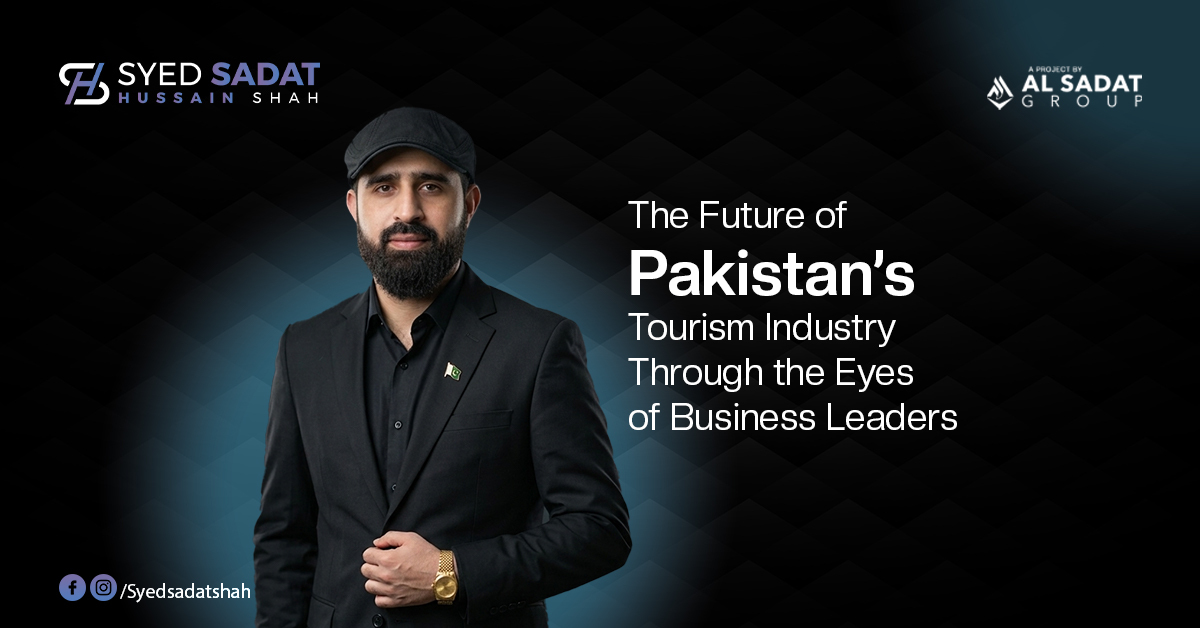
Pakistan’s tourism industry has significant potential, but turning that potential into a sustainable economic sector requires more than attractive destinations. Better infrastructure, reliable services, responsible investment and effective planning all influence whether visitors choose to explore the country, extend their stays and return in the future.
From the mountains of Gilgit-Baltistan to the historical landmarks of Lahore and the coastal areas of Sindh and Balochistan, Pakistan offers diverse tourism experiences. Business leaders increasingly have an important role in shaping how these destinations are developed, promoted and connected with local economies.
The future of tourism in Pakistan will depend on how effectively the public and private sectors turn these opportunities into long-term value.
Why Pakistan’s Tourism Industry Has Strong Growth Potential
Pakistan has a diverse tourism landscape that can attract domestic and international visitors. Natural attractions, cultural heritage, religious landmarks, historical architecture and adventure tourism create opportunities for different segments of the travel market.
Destinations such as Hunza, Skardu, Swat, Naran, Murree and the coastal belt offer opportunities for leisure, adventure and nature-based tourism. Meanwhile, Lahore, Taxila, Multan and Peshawar have considerable cultural and historical significance.
For business leaders, this diversity represents an opportunity to develop tourism-related businesses, including hotels, restaurants, travel services, recreational facilities and destination management companies.
However, attracting more visitors requires consistent service standards, accessible transportation and reliable visitor information.
How Business Leaders Can Shape the Future of Tourism
The private sector can contribute to tourism development by introducing professional management, improving visitor experiences and supporting investment in tourism infrastructure.
Investment in Hospitality and Accommodation
Quality accommodation is essential for developing a competitive tourism industry. Hotels, resorts, guesthouses and serviced apartments can help destinations accommodate different budgets and visitor preferences.
Business leaders can support this growth by investing in facilities that combine comfort, safety and professional hospitality services. Smaller accommodation businesses can also benefit from improved booking systems, staff training and digital marketing.
Developing Tourism Infrastructure
Road connectivity, transportation, electricity, clean water, internet access and emergency services directly affect the visitor experience.
Investment in these facilities can make remote destinations more accessible while creating opportunities for local businesses. Public-private partnerships can also help address infrastructure gaps where government resources alone may not be sufficient.
Promoting Pakistan Through Digital Platforms
Digital visibility has become an important part of destination marketing. Travelers increasingly use search engines, social media, online reviews and travel platforms to compare destinations before making decisions.
Tourism businesses can reach wider audiences through professional websites, high-quality photography, travel guides and transparent booking information. Digital marketing can also help lesser-known destinations gain attention beyond traditional tourist hotspots.
Sustainable Tourism and Responsible Business Investment
Tourism growth should not come at the expense of natural resources, local communities or cultural heritage. Unplanned construction, waste management problems and pressure on fragile ecosystems can damage the destinations that attract visitors in the first place.
Business leaders can encourage responsible tourism by supporting environmentally conscious construction, proper waste disposal, water conservation and locally operated businesses.
Community participation is equally important. Hiring local workers, purchasing regional products and supporting cultural activities allow tourism revenue to benefit residents directly.
Sustainable tourism is therefore not simply an environmental consideration. It is a long-term business strategy that protects destination value and strengthens relationships with local communities.
Challenges That Could Slow Tourism Growth in Pakistan
Despite its opportunities, Pakistan’s tourism sector faces several challenges that require coordinated attention.
Infrastructure and Accessibility Gaps
Some attractive destinations still lack reliable roads, transportation facilities, accommodation and essential public services. Seasonal road closures and limited connectivity can also affect travel plans.
Safety and International Perception
Travel decisions are influenced by safety information, visitor experiences and a country’s international image. Consistent communication, effective visitor assistance and reliable security arrangements can help build confidence among domestic and international tourists.
Skills and Professional Standards
The hospitality industry needs trained staff, professional tour operators, knowledgeable guides and effective customer service. Investment in vocational training and tourism education can improve service quality and create employment opportunities.
Policy Continuity and Coordination
Tourism development involves multiple government departments, local authorities and private businesses. Clear policies, transparent regulations and coordination between stakeholders can support long-term investment and reduce uncertainty.
Economic Opportunities Beyond Travel and Hospitality
The benefits of tourism extend beyond hotels and tour operators. A growing tourism economy can support transportation companies, restaurants, handicraft businesses, construction services, agriculture and local retail markets.
For example, increased visitor activity in northern Pakistan can create demand for local accommodation, food suppliers, transport operators and cultural experiences. Similarly, heritage tourism in major cities can support museums, restaurants, local guides and small businesses.
This broader economic impact makes tourism relevant to entrepreneurship, employment generation and regional development.
What Will Determine the Future of Pakistan’s Tourism Industry?
Pakistan’s tourism future will depend on the ability of business leaders, investors and policymakers to move from short-term commercial opportunities toward sustainable destination development.
The priorities should include better infrastructure, responsible private investment, professional hospitality services, digital promotion and stronger community participation.
Business leaders can contribute by identifying viable investment opportunities, maintaining transparent business practices and developing services that meet international visitor expectations.
Pakistan already has the natural beauty, cultural diversity and historical heritage needed to attract travelers. The next step is to build a tourism ecosystem that makes visiting the country accessible, comfortable and rewarding.
Frequently Asked Questions
What is the future of Pakistan’s tourism industry?
Pakistan’s tourism industry has considerable growth potential through investment in infrastructure, hospitality, adventure tourism, cultural heritage and sustainable destination development.
How can business leaders contribute to tourism development in Pakistan?
They can invest in hotels, resorts, transportation, travel services, digital marketing and tourism infrastructure while creating employment opportunities for local communities.
What are the main challenges facing Pakistan’s tourism sector?
Major challenges include infrastructure gaps, inconsistent service standards, safety perceptions, limited professional training, environmental concerns and coordination between public and private stakeholders.
Why is sustainable tourism important for Pakistan?
Sustainable tourism protects natural landscapes and cultural heritage while ensuring that local communities benefit economically from tourism activities.
Which sectors can benefit from tourism growth in Pakistan?
Hospitality, transportation, restaurants, agriculture, construction, retail, handicrafts and recreational services can all benefit from increased tourism activity.